Bridges, trade, and the life of a river
See how the Thames carried ideas, people, and power.
Πίνακας περιεχομένων
Origins of the Thames and river travel
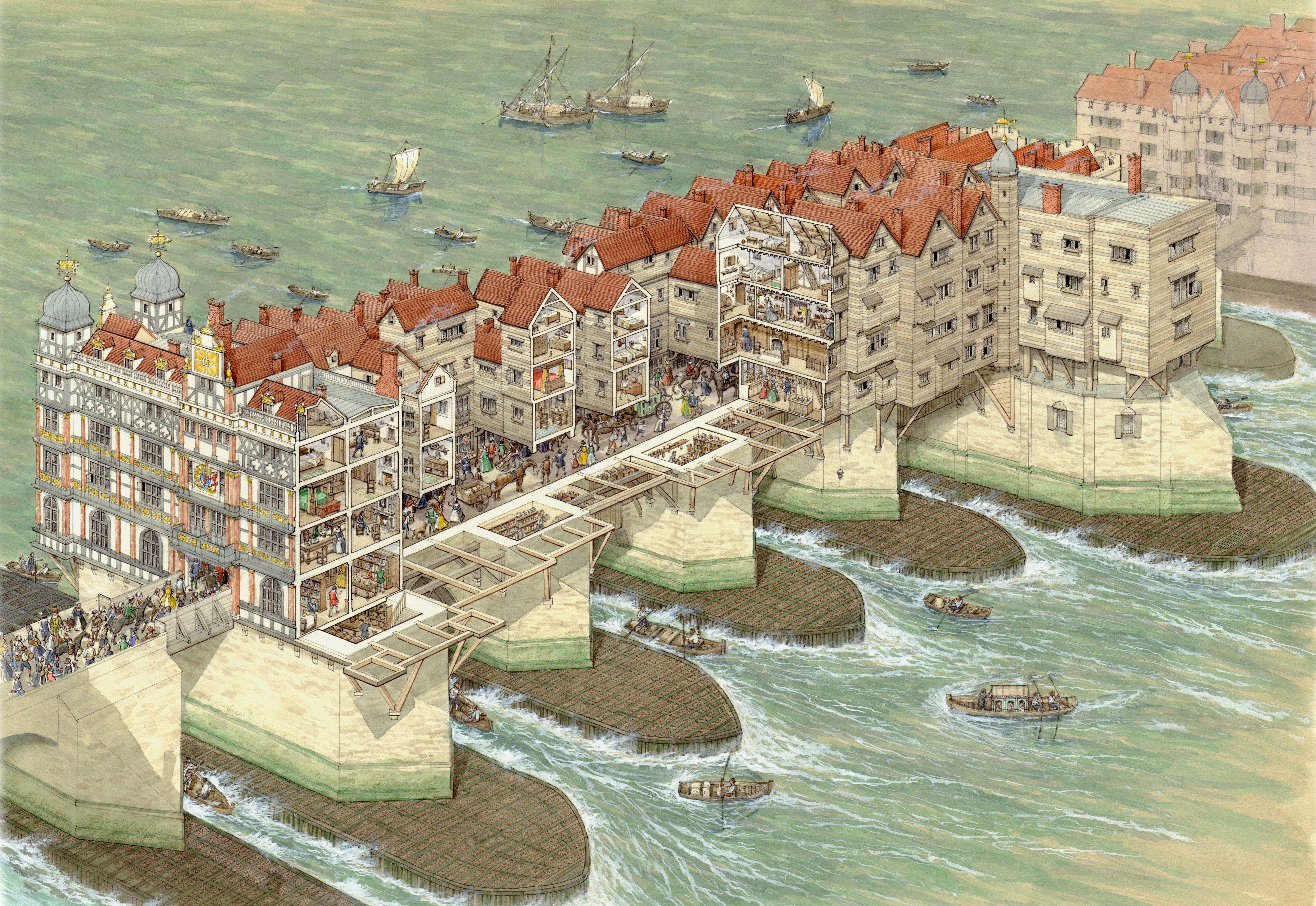
Before London had railways, roads, or the Underground, it had the Thames — a tidal river threading marsh and meadow, turning settlement into city. Roman barges nudged upstream with the tide, Saxon traders tied up at muddy banks, and, centuries later, coal lighters and clippers crowded the bends. The river stitched together markets and courts, palaces and shipyards, and gave London its first grand avenue.
For ordinary Londoners, the Thames was a workplace and a shortcut, a boundary and a lifeline. Watermen rowed passengers from stair to stair long before bridges were common; ferries moved fish, wool, and wine; and the city’s stories — plague years, frost fairs, coronations — played out on waters that rise and fall twice each day.
Bridges and engineering
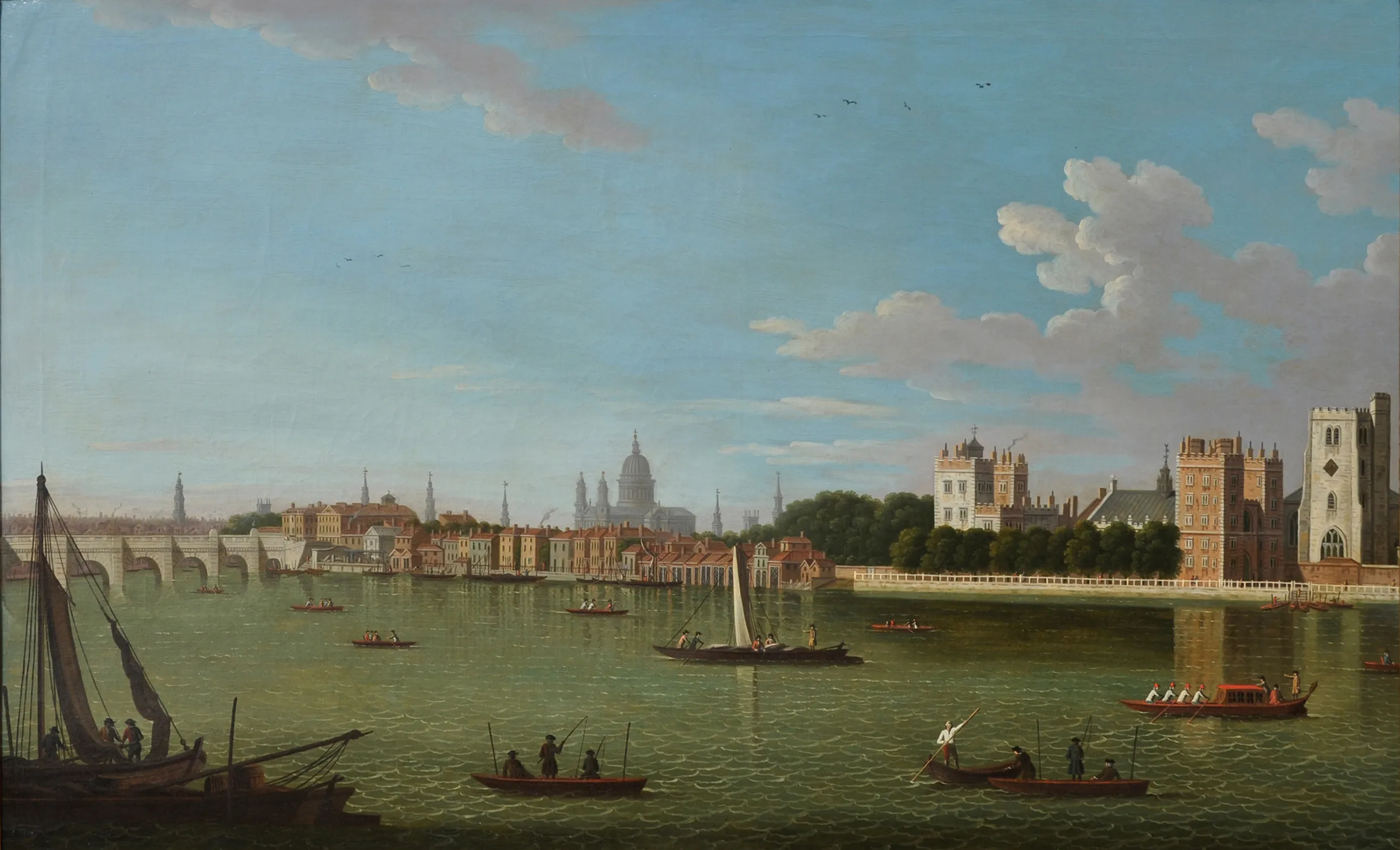
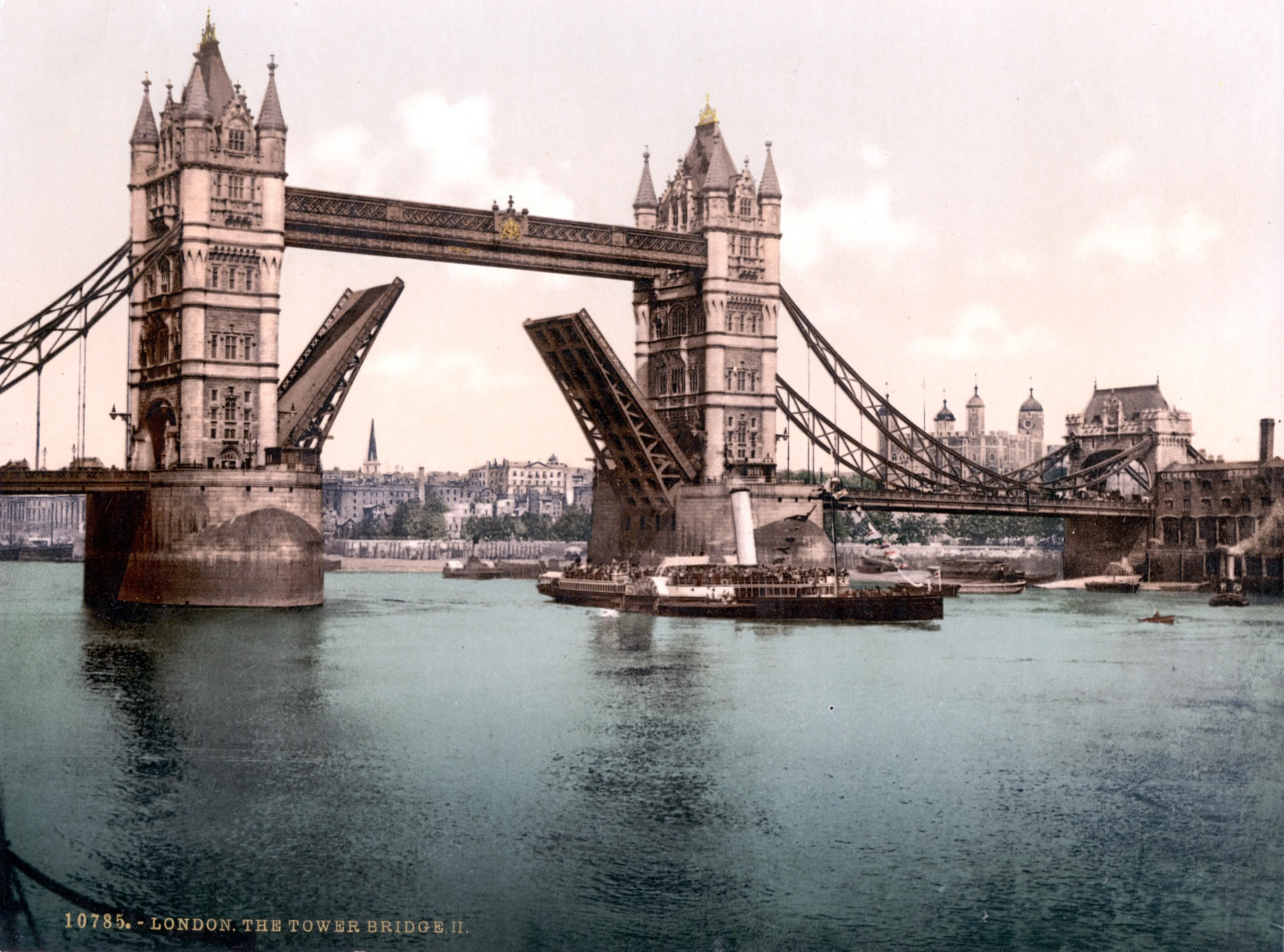
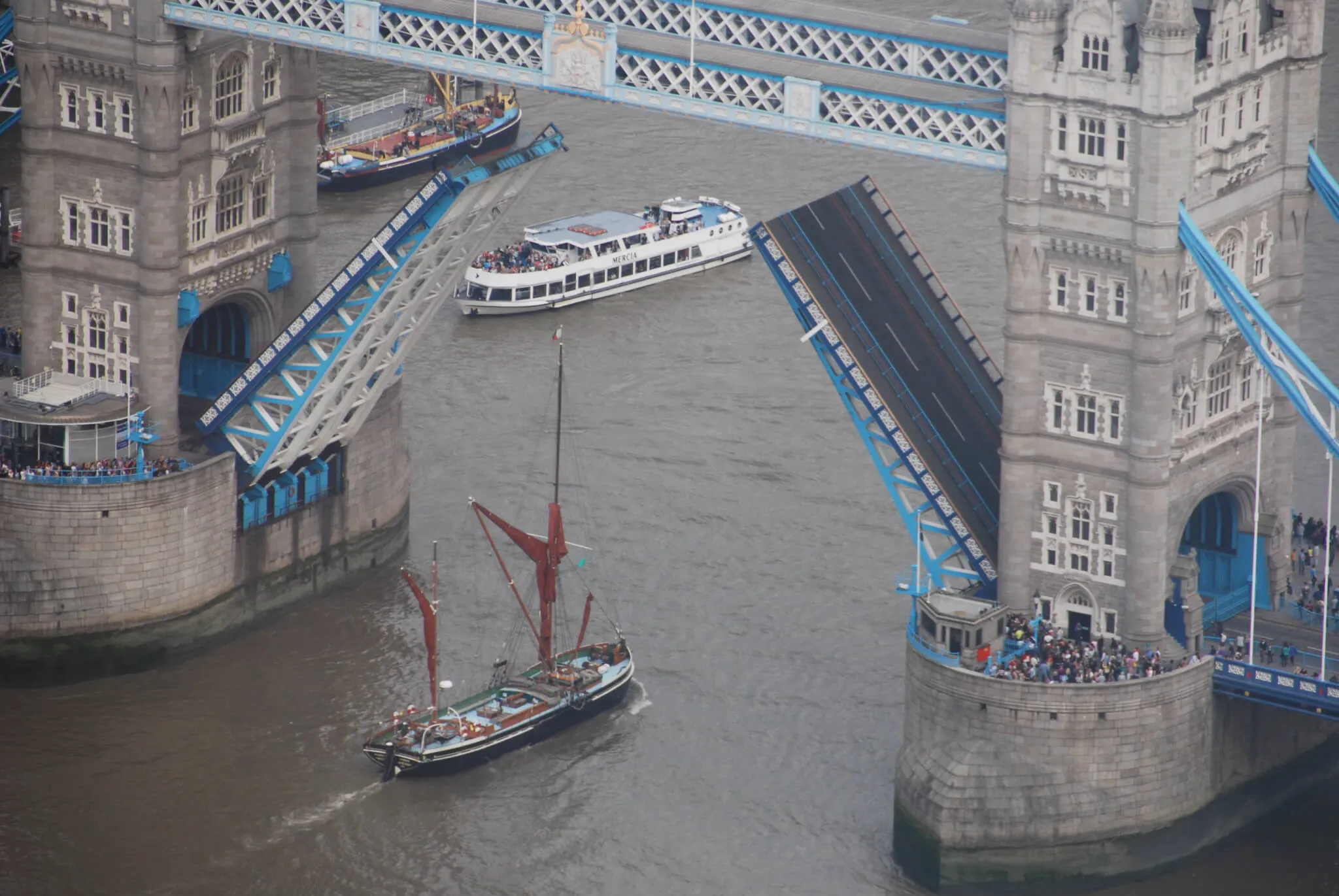
Old London Bridge stood for over six centuries, choked with houses and shops. Its slow demolition transformed the skyline and navigation. Later came the elegant arches at Westminster and Blackfriars, and then the great Victorian leap of Tower Bridge — a miracle of bascules and steam that could open in under a minute.
Today’s bridges—Millennium’s shimmering span, the robust concrete at Vauxhall, the railway lines at Hungerford—show how commerce, commuters, and culture share a single ribbon of water. Beneath it all, hidden tunnels and embankments tame the tide and protect the city.
Trade, docks, and the waterfront
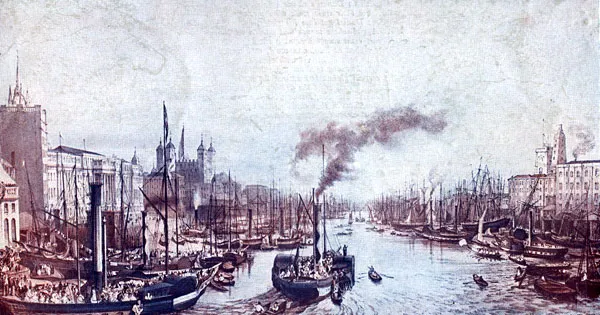
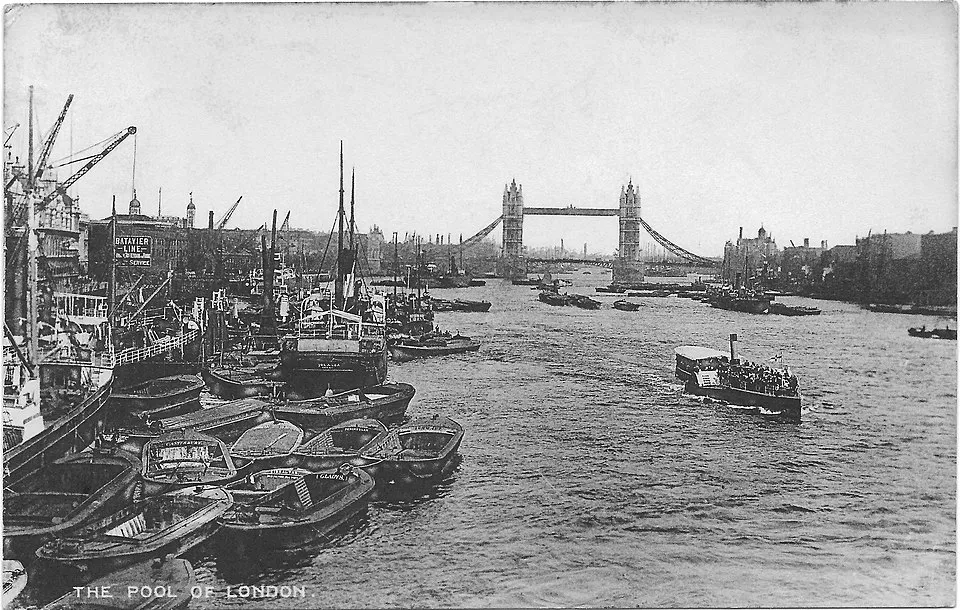
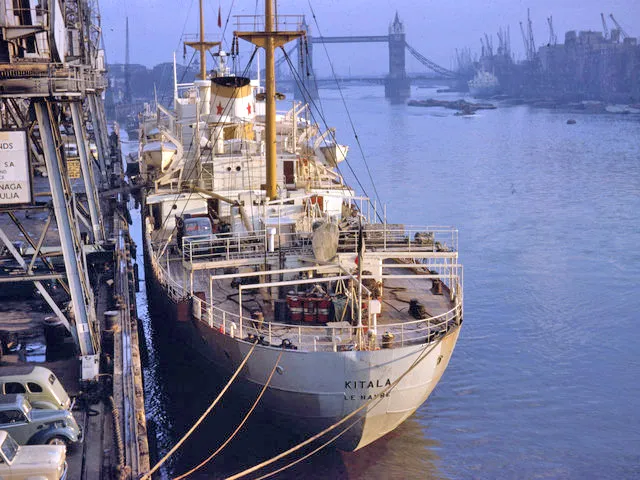
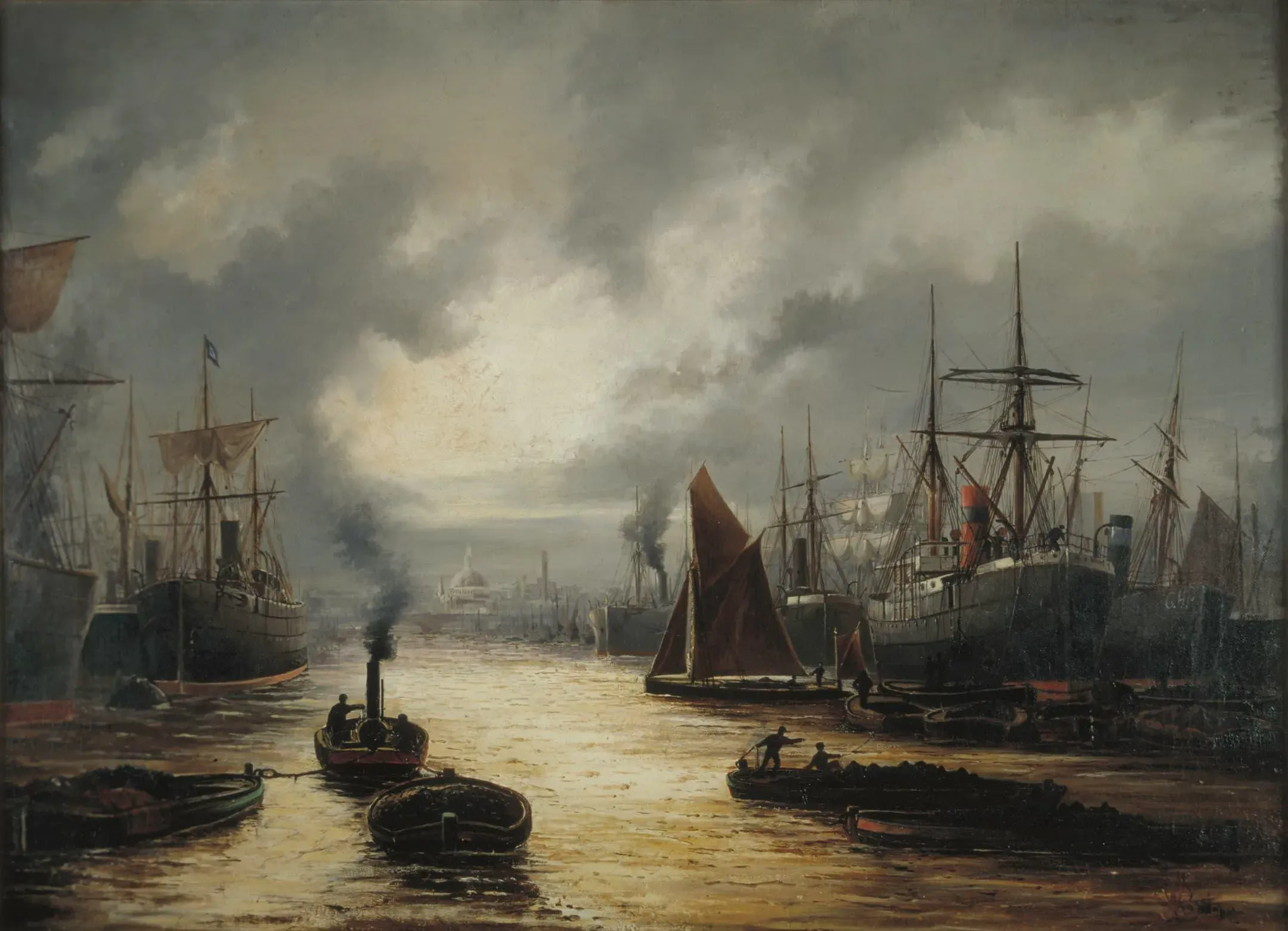
From cinnamon and silk to timber and tea, cargo defined the river. The Pool of London rang with cranes and whistles, while Docklands spread east into vast basins and quays. Warehouses stacked spices beside ledgers; tallymen paced between barrels; and whole neighborhoods rose and fell with the fortunes of trade.
When container ships moved downstream, old docks turned into new districts. Today, lofts, galleries, and parks line the water, yet echoes of industry remain — iron rings in brick, capstans on quays, and the proud silhouette of cranes against sunset.
Landmarks along the river
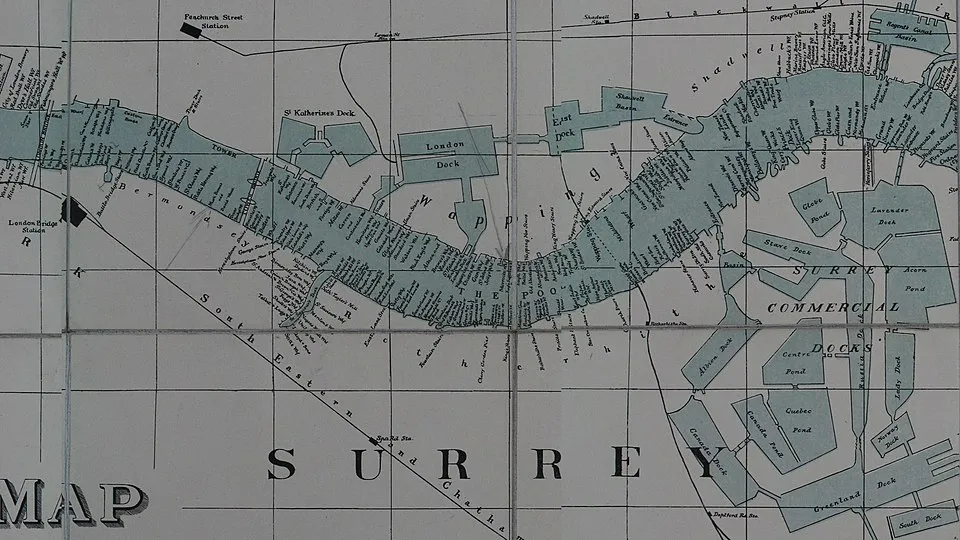
A slow cruise reads London like a storybook: the Gothic drama of Parliament, the great wheel of the London Eye, St Paul’s dome watching the city, Shakespeare’s Globe hugging Bankside, and the steel and glass of the Square Mile.
Downriver, the Tower of London guards a thousand years of history while Tower Bridge lifts for vessels with ceremony. Ahead, Canary Wharf gleams, and Greenwich opens its arms — a royal campus by the water.
River life & neighborhoods
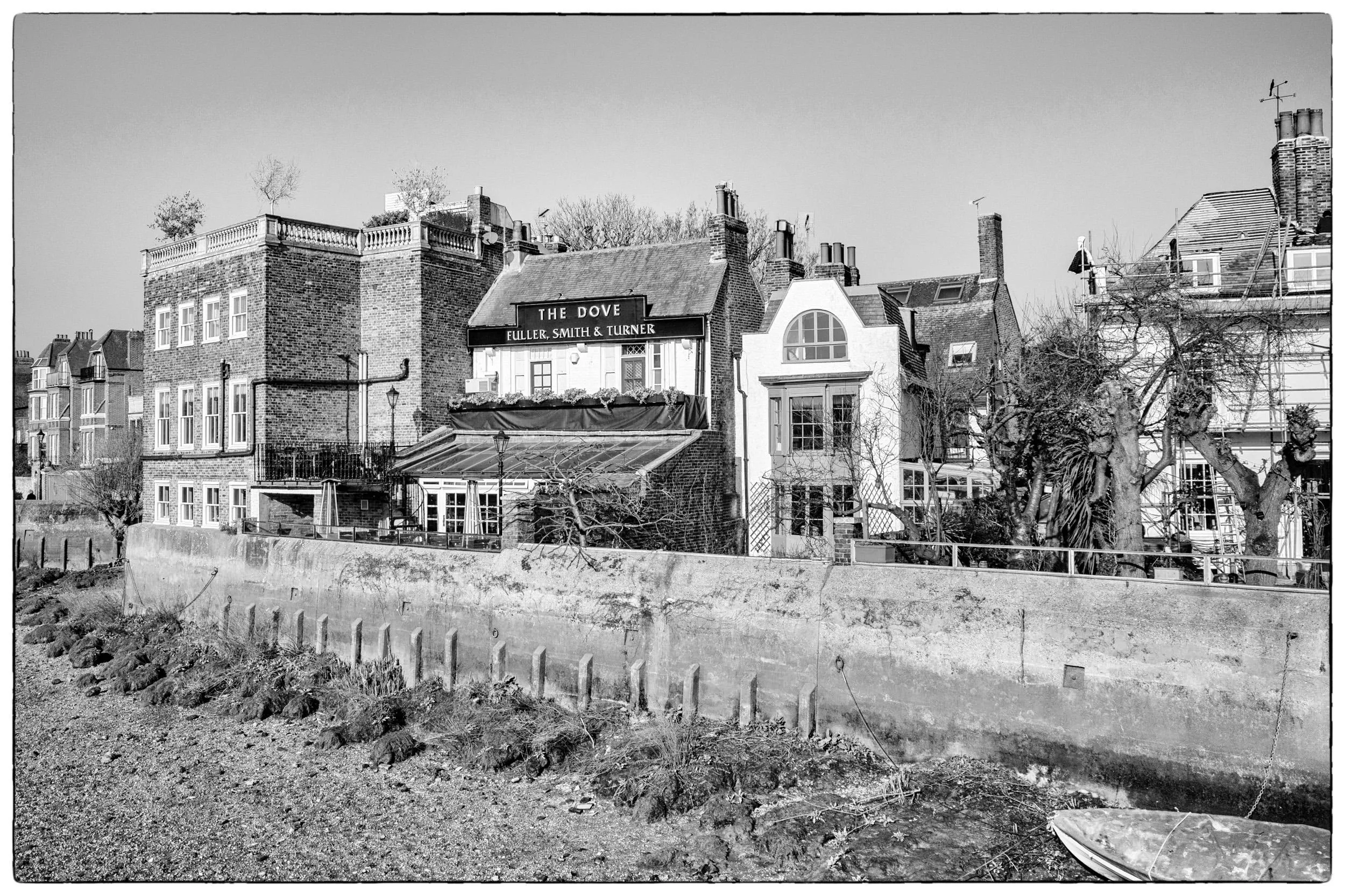
The river gathers moods: misty mornings with gulls, bright noon crowds at South Bank, and soft evenings where bridges glow and music drifts from café terraces. Walkers share paths with joggers and families; boats share lanes with barges and patrols.
Each bend hints at a different London — civic Westminster, theatrical Bankside, historic Tower Hill, maritime Greenwich — knitting together a city of villages best seen from the water. 😊
Boats and live commentary
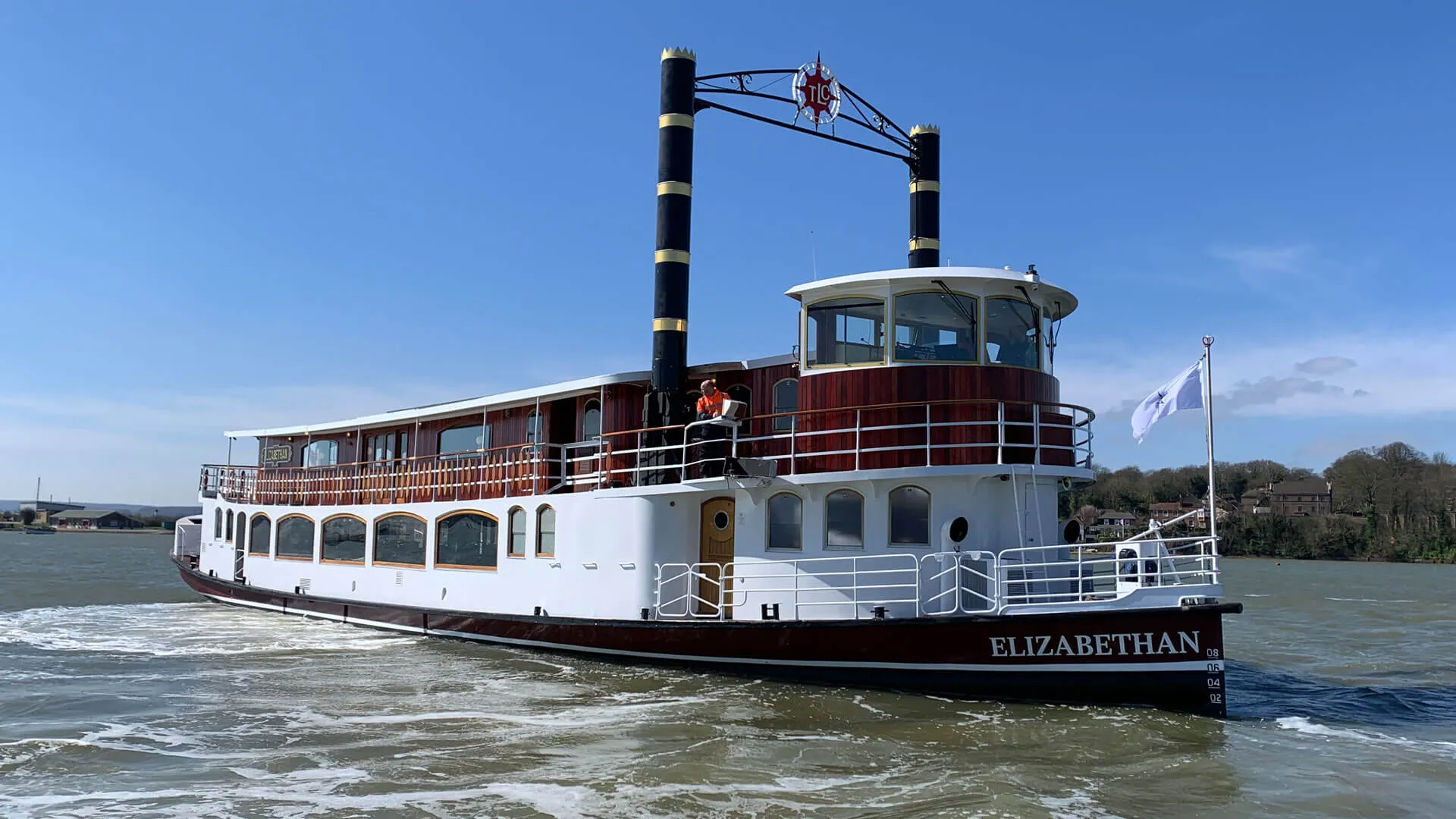
Sightseeing cruises feature live guides or recorded commentary, pointing out stories hidden in brick and bridge: lost wharves, artists’ lofts, and wartime scars.
On some sailings, the crew share navigation details: tides and timings, signals and spans, and how the river’s rhythm shapes every journey.
Routes, piers & navigation
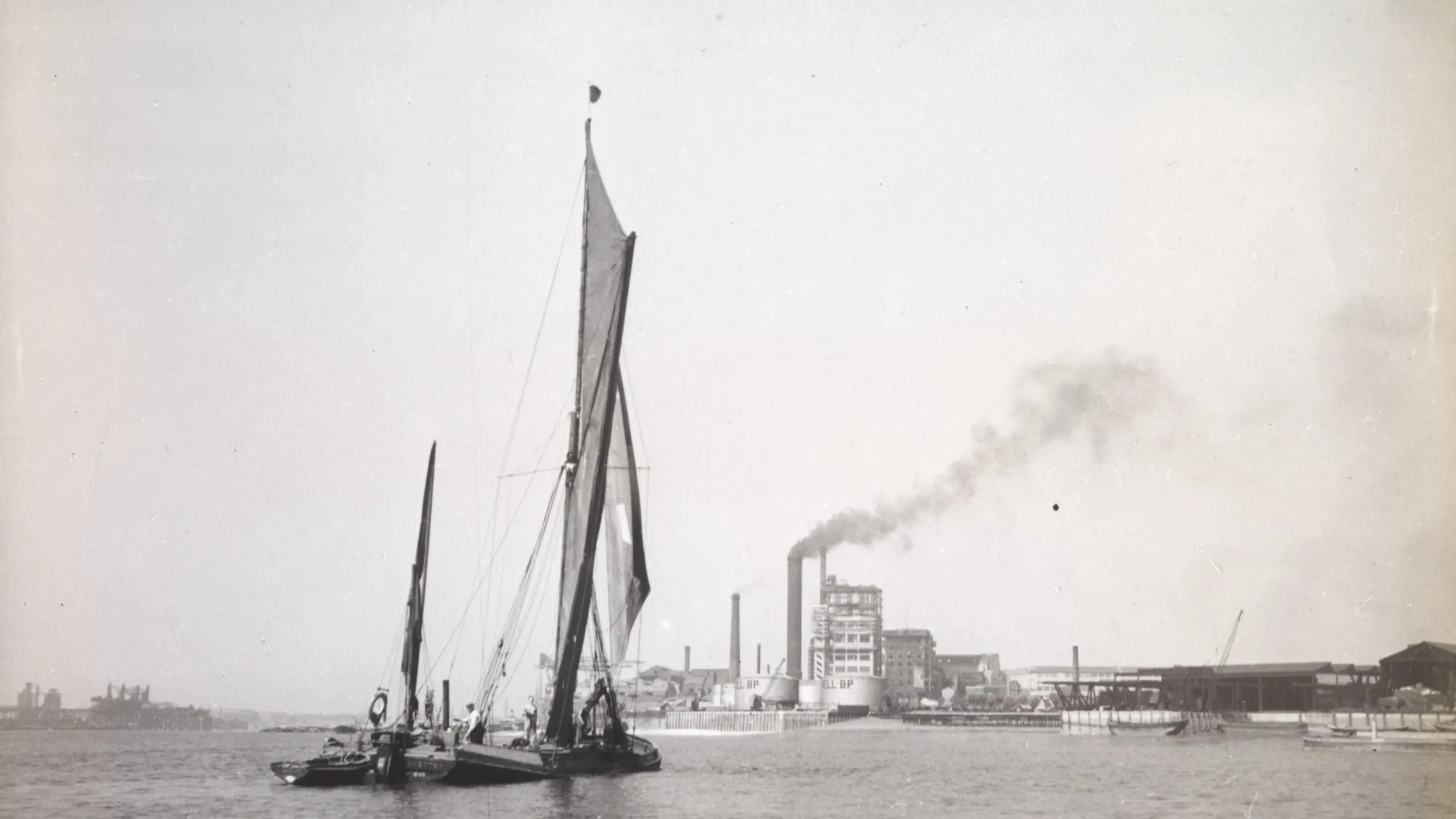
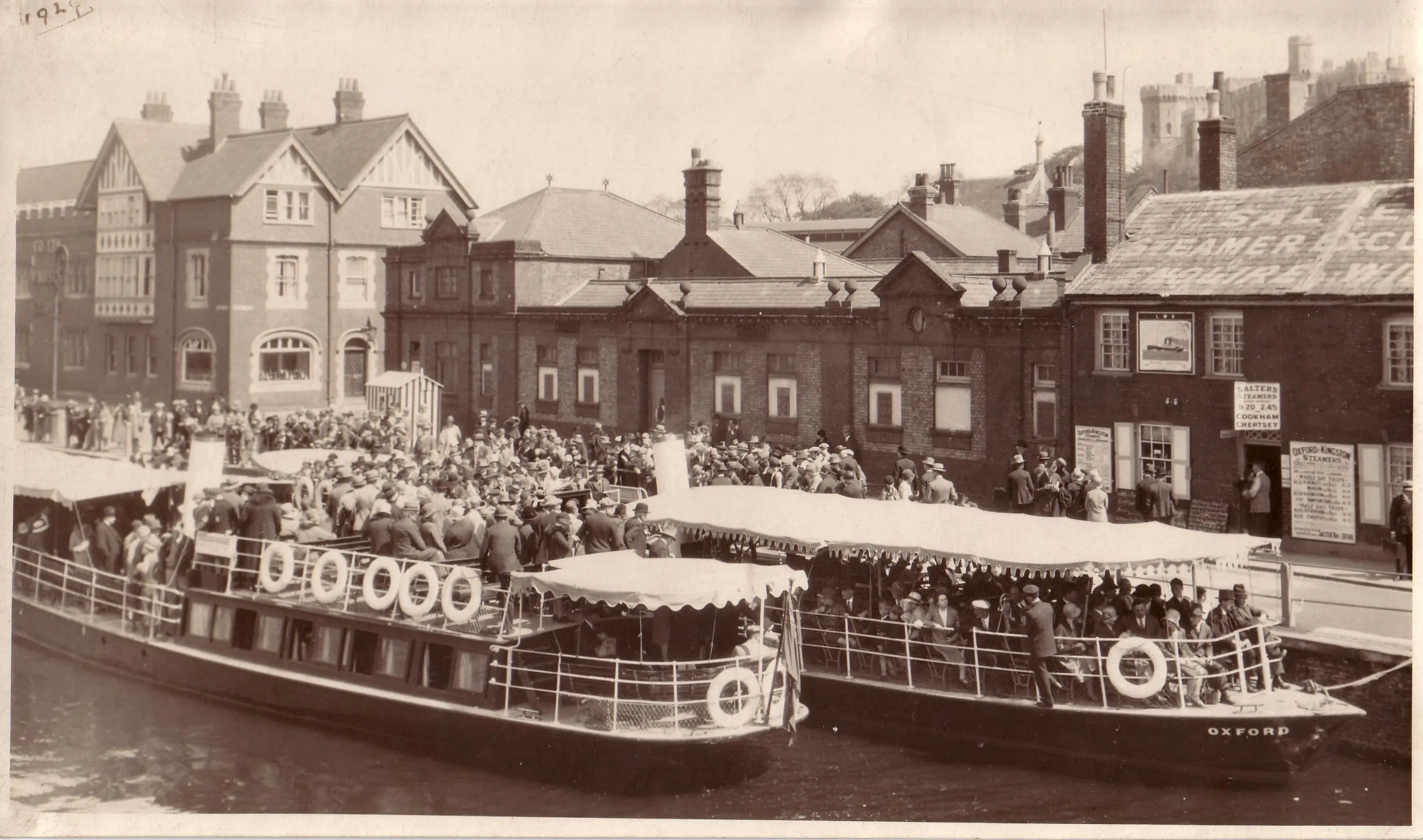
Core routes link Westminster, Embankment, London Eye, Bankside, Tower, and Greenwich. Hop‑on hop‑off services let you pause for museums and markets before rejoining downstream.
Tides influence boarding angles and speed; on busy days, river traffic is a choreography of skippers and signals.
Safety & accessibility
Piers provide level or ramped access; staff assist with boarding. Weather can change quickly — decks may be breezy or wet.
Check operator updates for service changes during high water, maintenance, or events like the Boat Race or fireworks.
Festivals and river culture
From frost fairs on the frozen river to the Thames Festival and New Year fireworks, celebrations have long gathered on the water.
Look for regattas, floating pageants, and temporary installations — the river is both stage and audience.
Tickets, passes & offers
Book online to secure your preferred time and deck space. Combination tickets may bundle pier hops with attractions like the London Eye.
Travelcards and Oyster Pay As You Go can offer discounts on certain services; check current terms.
Preservation & sustainability
Choosing efficient boats and responsible operators supports cleaner air and quieter banks. River travel relieves pressure on roads and rails.
Respect wildlife, avoid litter, and favor off‑peak cruising to keep the experience pleasant for residents and visitors alike.
Greenwich & maritime heritage
Greenwich gathers centuries of seamanship: the tea clipper Cutty Sark, the Royal Naval College, and a hilltop observatory that set the world’s clocks.
Markets, pubs, and river walks make it the perfect end to a cruise — a pocket of history with wide skies.
Why the Thames matters
The river explains London — a corridor of movement, memory, and meeting. To cruise it is to see the city’s bones and its changing skin.
A visit supports river jobs, celebrates public space, and connects you to a thousand small stories flowing past each day.
Πίνακας περιεχομένων
Origins of the Thames and river travel
Before London had railways, roads, or the Underground, it had the Thames — a tidal river threading marsh and meadow, turning settlement into city. Roman barges nudged upstream with the tide, Saxon traders tied up at muddy banks, and, centuries later, coal lighters and clippers crowded the bends. The river stitched together markets and courts, palaces and shipyards, and gave London its first grand avenue.
For ordinary Londoners, the Thames was a workplace and a shortcut, a boundary and a lifeline. Watermen rowed passengers from stair to stair long before bridges were common; ferries moved fish, wool, and wine; and the city’s stories — plague years, frost fairs, coronations — played out on waters that rise and fall twice each day.
Bridges and engineering
Old London Bridge stood for over six centuries, choked with houses and shops. Its slow demolition transformed the skyline and navigation. Later came the elegant arches at Westminster and Blackfriars, and then the great Victorian leap of Tower Bridge — a miracle of bascules and steam that could open in under a minute.
Today’s bridges—Millennium’s shimmering span, the robust concrete at Vauxhall, the railway lines at Hungerford—show how commerce, commuters, and culture share a single ribbon of water. Beneath it all, hidden tunnels and embankments tame the tide and protect the city.
Trade, docks, and the waterfront
From cinnamon and silk to timber and tea, cargo defined the river. The Pool of London rang with cranes and whistles, while Docklands spread east into vast basins and quays. Warehouses stacked spices beside ledgers; tallymen paced between barrels; and whole neighborhoods rose and fell with the fortunes of trade.
When container ships moved downstream, old docks turned into new districts. Today, lofts, galleries, and parks line the water, yet echoes of industry remain — iron rings in brick, capstans on quays, and the proud silhouette of cranes against sunset.
Landmarks along the river
A slow cruise reads London like a storybook: the Gothic drama of Parliament, the great wheel of the London Eye, St Paul’s dome watching the city, Shakespeare’s Globe hugging Bankside, and the steel and glass of the Square Mile.
Downriver, the Tower of London guards a thousand years of history while Tower Bridge lifts for vessels with ceremony. Ahead, Canary Wharf gleams, and Greenwich opens its arms — a royal campus by the water.
River life & neighborhoods
The river gathers moods: misty mornings with gulls, bright noon crowds at South Bank, and soft evenings where bridges glow and music drifts from café terraces. Walkers share paths with joggers and families; boats share lanes with barges and patrols.
Each bend hints at a different London — civic Westminster, theatrical Bankside, historic Tower Hill, maritime Greenwich — knitting together a city of villages best seen from the water. 😊
Boats and live commentary
Sightseeing cruises feature live guides or recorded commentary, pointing out stories hidden in brick and bridge: lost wharves, artists’ lofts, and wartime scars.
On some sailings, the crew share navigation details: tides and timings, signals and spans, and how the river’s rhythm shapes every journey.
Routes, piers & navigation
Core routes link Westminster, Embankment, London Eye, Bankside, Tower, and Greenwich. Hop‑on hop‑off services let you pause for museums and markets before rejoining downstream.
Tides influence boarding angles and speed; on busy days, river traffic is a choreography of skippers and signals.
Safety & accessibility
Piers provide level or ramped access; staff assist with boarding. Weather can change quickly — decks may be breezy or wet.
Check operator updates for service changes during high water, maintenance, or events like the Boat Race or fireworks.
Festivals and river culture
From frost fairs on the frozen river to the Thames Festival and New Year fireworks, celebrations have long gathered on the water.
Look for regattas, floating pageants, and temporary installations — the river is both stage and audience.
Tickets, passes & offers
Book online to secure your preferred time and deck space. Combination tickets may bundle pier hops with attractions like the London Eye.
Travelcards and Oyster Pay As You Go can offer discounts on certain services; check current terms.
Preservation & sustainability
Choosing efficient boats and responsible operators supports cleaner air and quieter banks. River travel relieves pressure on roads and rails.
Respect wildlife, avoid litter, and favor off‑peak cruising to keep the experience pleasant for residents and visitors alike.
Greenwich & maritime heritage
Greenwich gathers centuries of seamanship: the tea clipper Cutty Sark, the Royal Naval College, and a hilltop observatory that set the world’s clocks.
Markets, pubs, and river walks make it the perfect end to a cruise — a pocket of history with wide skies.
Why the Thames matters
The river explains London — a corridor of movement, memory, and meeting. To cruise it is to see the city’s bones and its changing skin.
A visit supports river jobs, celebrates public space, and connects you to a thousand small stories flowing past each day.